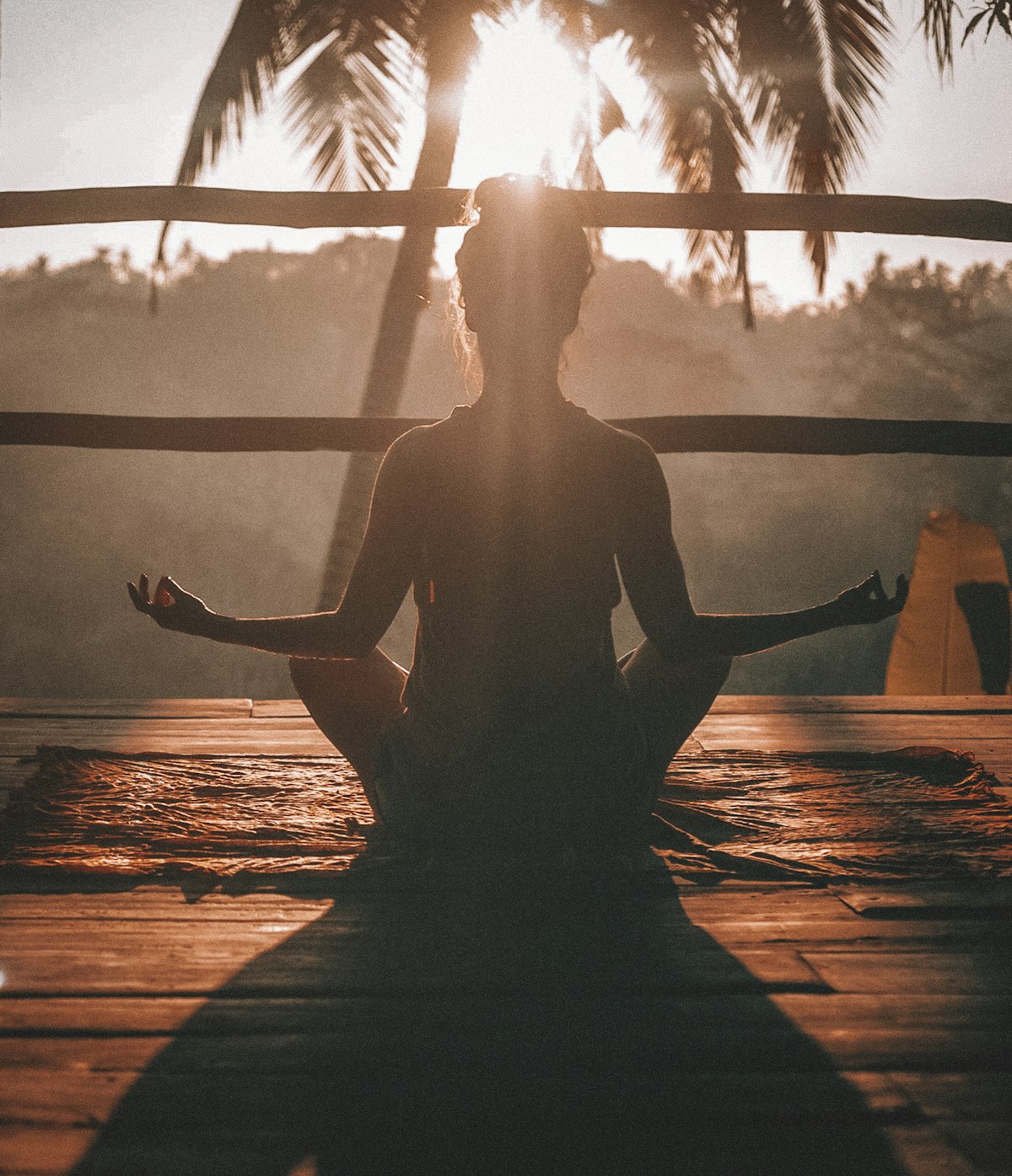
Most people think mindfulness means sitting cross-legged in silence and somehow not thinking. If that has never worked for you, you are not failing at mindfulness. You may just need a version that fits a real, busy, distracted human brain.
Walking meditation is exactly that. It combines gentle movement with present-moment attention, which can make it easier to settle your mind than trying to sit perfectly still.
And yes, it counts.
Why walking meditation works
Mindfulness is usually defined as paying attention to the present moment, on purpose, without judging what you notice. Research on mindfulness-based practices suggests they can help reduce perceived stress, improve emotional regulation, and support mental well-being, though the effects vary from person to person.
Walking adds another layer. Regular physical activity is linked with better mood, lower stress, and better sleep, and even a brief walk can help you shift out of a tense mental loop. For many people, moving the body makes mindfulness more accessible because your attention has something concrete to land on: your breath, your steps, the feeling of your feet on the ground.
If you walk outside, you may get an extra benefit. Time in green space is associated with lower stress and improved mood in many studies, although you do not need a park trail to do this well. A hallway, sidewalk, quiet office loop, or backyard all work.
What walking meditation is — and what it is not
Walking meditation is not power walking with a podcast playing at 1.5x speed. It is also not about forcing your mind to go blank.
It is simply walking while paying close attention to what is happening right now.
That might mean noticing:
- the rhythm of your steps
- the feeling of air moving in and out of your nose
- your arms swinging naturally
- sounds around you
- tension in your shoulders or jaw
- the urge to rush, plan, or check your phone
The goal is not to have a perfectly calm mind. The goal is to notice when your mind wanders, then gently bring it back.
A simple 10-minute walking meditation
You do not need special shoes, incense, or a scenic route. You just need a safe place to walk and a little willingness to slow down.
Try this step-by-step routine
-
Pick a route and set a timer
Choose a place where you can walk uninterrupted for 5 to 10 minutes. If you are new to this, start with 5 minutes. Set a timer so you are not checking the clock. -
Start slower than usual for the first minute
Stand tall, let your shoulders drop, and unclench your jaw. Begin walking at an easy pace, slightly slower than your normal speed, just long enough to notice your body. -
Choose one anchor for your attention
Pick one thing to keep coming back to:- your breath
- your footfalls
- the swing of your arms
- the feeling of contact with the ground
If breath-focused meditation tends to make you feel anxious, use your steps instead.
-
Notice your senses
After 1 to 2 minutes, widen your attention a bit. Silently name:- 3 things you see
- 2 things you hear
- 1 physical sensation you feel
This can help interrupt spiraling thoughts and bring you back into your body.
-
Bring your mind back, over and over
Your mind will wander. That is normal. When you notice you are planning dinner, replaying an argument, or drafting an email in your head, simply label it: “thinking” or “planning.” Then return to your anchor. -
Finish on purpose
In the last 30 to 60 seconds, slow down slightly. Take one fuller breath, notice how your body feels now compared with when you started, and then continue your day.
What you should feel after
Do not expect a dramatic transformation every time. Some days you will feel calmer right away. Other days you may just feel a little less scattered.
That still matters.
Mindfulness tends to work more like strength training than like flipping a switch. One session can help you reset, but the bigger payoff usually comes from repetition.
A realistic target is:
- 5 to 10 minutes once a day, or
- 2 shorter sessions of 3 to 5 minutes when your day is packed
If you already walk for exercise, you can turn part of that walk into mindfulness practice. For example, spend the first 5 minutes without your phone, focusing only on your breathing and steps.
The best times to do walking meditation
The best time is the time you will actually do it. That said, a few windows tend to work especially well.
Good times to try it
- After lunch to reduce mental fog and reset before the afternoon
- After work as a buffer between job stress and home life
- After dinner if you want a calming routine without more screen time
- Before a difficult conversation to lower tension and think more clearly
- Between meetings when you feel overstimulated or mentally stuck
A post-meal walk can be especially useful. Research suggests that even a short easy walk after eating can help blunt the rise in blood sugar that happens after meals. You do not need to march for 45 minutes; 10 to 15 minutes at an easy pace is enough to be worthwhile.
If you track meals, energy, or mood in an AI nutrition app, you may notice a pattern: a short mindful walk after lunch often helps with afternoon focus and mindless snacking.
Common mistakes that make it less helpful
Walking meditation is simple, but a few habits can quietly turn it back into autopilot.
Watch out for these
-
Bringing your phone for “just a quick check”
If you can, keep it in your pocket on silent until the timer ends. -
Going too fast
This is not a fitness test. A natural, easy pace works best. -
Trying to stop thoughts completely
That is not the goal. Notice, return, repeat. -
Judging yourself for getting distracted
The redirect is the practice. -
Only doing it when you are already overwhelmed
It helps most when it becomes routine, not just an emergency tool.
How to make it a habit
The easiest way to build mindfulness is to attach it to something you already do.
Try one of these habit anchors
- right after your morning coffee
- after lunch at work
- before you open social media in the evening
- after dinner with your family
- while your child is at practice
You can also lower the bar. If 10 minutes feels unrealistic, start with 3 minutes, 5 days a week. Consistency matters more than perfection.
It can help to use the same cue each time:
- same time of day
- same route
- same pair of shoes
- same timer setting
The less decision-making required, the more likely you are to follow through.
When walking meditation may not be enough
Walking meditation is a useful tool, but it is not a cure-all. If you are dealing with panic attacks, significant depression, trauma symptoms, or chronic overwhelm that is affecting sleep, appetite, work, or relationships, you may need more support than a self-guided practice can provide.
In some people, especially those with a trauma history, mindfulness can initially feel uncomfortable because it increases awareness of bodily sensations and thoughts that are usually pushed away. If that happens, try keeping your eyes open, focusing on external sights and sounds, shortening the practice to 1 to 2 minutes, or working with a licensed mental health professional.
The bottom line
Walking meditation is one of the most practical forms of mindfulness because it meets you where you are: busy, restless, and very much alive in a body that likes to move. You do not need to be especially calm or spiritual to do it well.
Start with 5 minutes. Leave your phone alone. Notice your steps, your breath, and the moment you are actually in.
That small reset may be enough to help you feel steadier, clearer, and a little more like yourself.