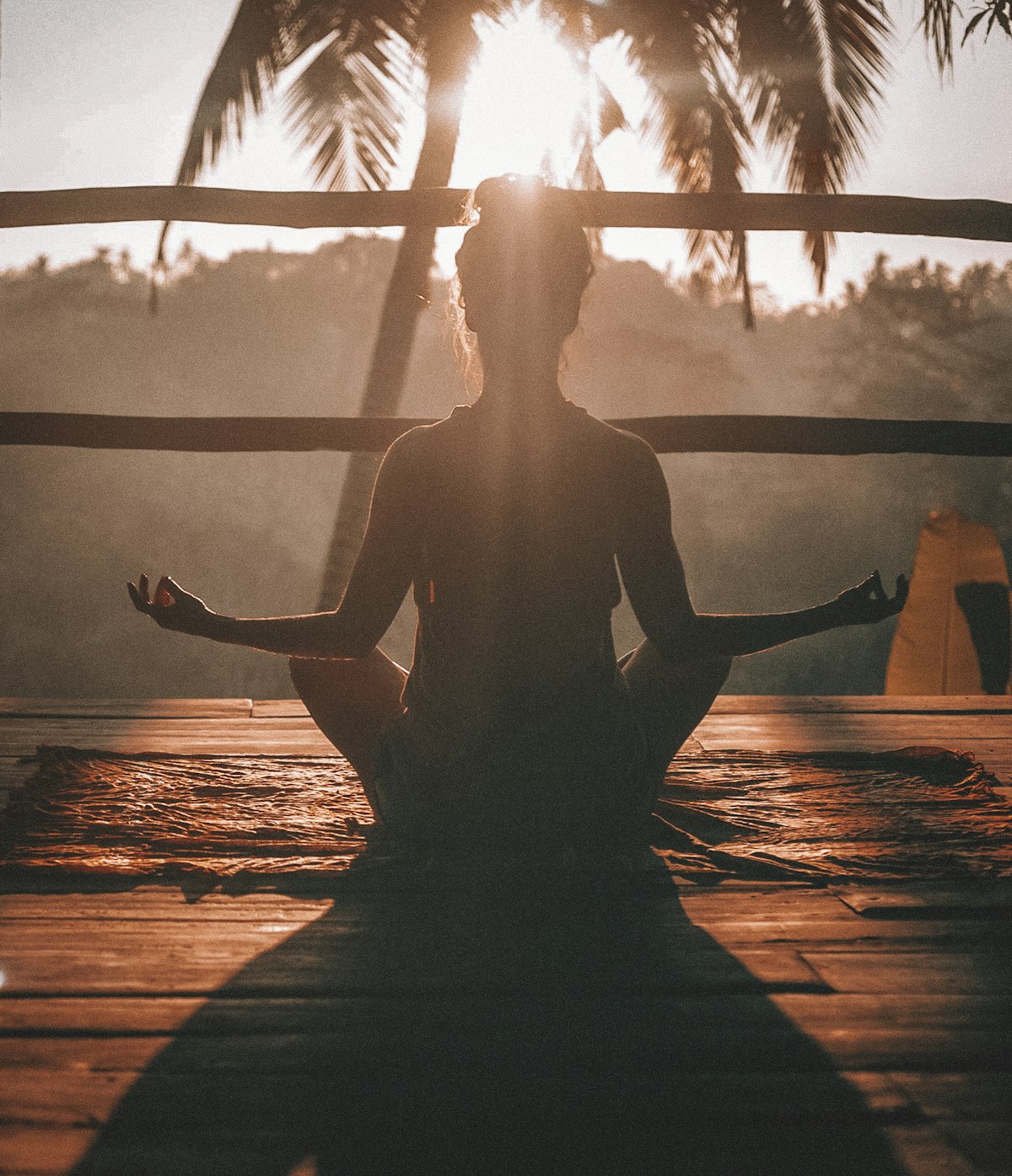
Most people think of stress as a mental problem, but you feel it in your body first. Tight shoulders, a clenched jaw, shallow breathing, a racing heart, and that wired-but-tired feeling at bedtime are all signs your nervous system is still on high alert.
A body scan meditation is one of the simplest ways to interrupt that cycle. You slowly move your attention through different parts of your body, noticing sensations without trying to fix them. It sounds almost too basic to matter, but research on mindfulness-based practices suggests they can help reduce perceived stress, improve emotional regulation, and support better sleep.
The best part: you do not need to be “good at meditation” for this to work. You just need a few minutes, a quiet spot, and permission to stop performing for a moment.
What a body scan meditation actually is
A body scan is a mindfulness practice where you bring your attention, one area at a time, to physical sensations in your body.
You might notice:
- warmth or coolness
- pressure from the bed or chair
- tingling
- heaviness
- tightness
- itching
- restlessness
- areas that feel neutral or hard to sense
The goal is not to completely relax on command. The goal is awareness.
That matters because stress often pulls you out of your body and into rumination. A body scan gives your attention a job. Instead of spiraling through tomorrow’s to-do list or replaying an awkward conversation, you anchor yourself in real-time physical experience.
Why body scans can help with stress and sleep
Body scan meditation is a core practice in mindfulness-based stress reduction, or MBSR, a structured program that has been studied for stress, chronic pain, anxiety symptoms, and sleep problems.
Here is why it can be helpful:
It shifts attention away from mental overdrive
When you are stressed, your mind tends to scan for problems. A body scan redirects that scanning habit toward neutral physical sensations. That can reduce the momentum of worry, even if it does not erase your stress instantly.
It helps you notice tension earlier
Many people do not realize how tense they are until they stop moving. A body scan can help you catch patterns like raised shoulders, jaw clenching, gripping your stomach, or holding your breath.
Once you notice those patterns, you have more choice. You can soften your posture, lengthen an exhale, or simply stop feeding the tension.
It may support your parasympathetic “rest” response
A body scan is often paired with slow, easy breathing. That combination can support a shift away from a fight-or-flight state and toward a calmer physiological state. You do not need perfect breathing technique here. Even a slightly slower exhale can help.
It builds interoceptive awareness
Interoception is your ability to sense what is happening inside your body. That includes hunger, fullness, muscle tension, fatigue, and your heartbeat. Better body awareness can make it easier to respond to your needs earlier instead of pushing through until you feel fried.
That is especially useful if stress affects your sleep, appetite, or evening snacking. Sometimes tracking patterns in an AI nutrition app can help you connect the dots between stressful days, poor sleep, and eating habits.
When to use a body scan
A body scan works especially well in moments when your body feels activated but you are not in immediate danger.
Good times to try it include:
- at bedtime when you feel tired but mentally busy
- after work before dinner
- after an argument or stressful meeting
- during a mid-afternoon stress spike
- after intense exercise if you feel amped up
- anytime you feel disconnected from your body
If you are using it for sleep, aim for 5 to 15 minutes. If you are using it during the day, even 2 to 5 minutes can be enough to reset your attention.
A 10-minute body scan you can do tonight
You can do this lying in bed, on a yoga mat, or sitting in a chair with your feet flat on the floor.
Step-by-step
-
Get into a comfortable position
Let your arms rest naturally. If you are lying down, uncross your legs. If you are sitting, keep your back supported if possible.
-
Take 3 slow breaths
Inhale through your nose if that feels comfortable. Exhale a little longer than you inhale, but do not force it. Think easy, not dramatic.
-
Start with your feet
Notice contact with the floor or bed. Are your feet warm, cool, heavy, tense, or neutral? You are not looking for the “right” answer.
-
Move slowly up your body
Spend about 20 to 40 seconds on each area:
- feet and toes
- calves and shins
- knees
- thighs
- hips and glutes
- lower belly
- chest and upper back
- hands
- forearms and upper arms
- shoulders
- neck and jaw
- face and forehead
-
Notice tension without fighting it
If you find a tight area, see if you can soften it by 5 to 10%. Not all the way. Just a little. That often works better than commanding yourself to relax.
-
Use your breath as a support
Imagine breathing into the area you are noticing, then letting it go on the exhale. This is not magic. It is just a simple way to stay focused.
-
If your mind wanders, come back gently
This is part of the practice, not a failure. Each time you notice your attention drift, return to the body part you were on.
-
End with a whole-body check-in
Notice your body as one connected unit. Feel the support beneath you. Take one final slow breath.
If you are doing this in bed and fall asleep halfway through, that is completely fine.
What to do if it feels hard
Body scan meditation is simple, but not always easy.
Some people notice that slowing down makes them more aware of discomfort, restlessness, or emotions they have been avoiding. That does not mean the practice is wrong for you. It may just mean you need a gentler version.
Try these modifications:
Keep it shorter
Start with 2 to 3 minutes instead of 10. Consistency matters more than length.
Use an anchor
If scanning your whole body feels overwhelming, focus only on:
- your feet on the floor
- your hands resting in your lap
- the feeling of your breath in your chest or belly
Keep your eyes open
You do not have to close your eyes. A soft downward gaze can feel safer and more grounding.
Add movement first
If you feel too restless to lie still, do 1 to 2 minutes of gentle stretching before you start. Neck rolls, shoulder shrugs, a forward fold, or child’s pose can help take the edge off.
Use neutral language
If “relax your body” makes you feel pressured, switch to “notice your body.” Observation is enough.
Common mistakes that make body scans less helpful
You do not need perfect technique, but a few habits can get in the way.
Expecting instant calm
Sometimes you will feel noticeably better after one round. Sometimes you will mostly notice how stressed you were. Both are useful outcomes.
Trying to do it like a performance
You are not trying to empty your mind or earn a gold star in mindfulness. The practice is simply returning your attention again and again.
Only using it in crisis mode
Body scans can be a great rescue tool, but they work even better as a regular practice. Doing one when you are moderately stressed can make it easier to use when stress runs high.
Scrolling right before you start
If you go straight from email, news, or social media into a body scan, your nervous system may still be revved up. Give yourself a 2- to 5-minute buffer first if you can.
How to make it a habit
You are more likely to stick with a body scan if you attach it to something you already do.
Try one of these:
- right after brushing your teeth at night
- after changing out of work clothes
- after setting your phone to charge
- before your usual afternoon coffee refill
- after a shower
Keep the barrier low. Start with 5 minutes, 4 nights per week for two weeks. That is enough time to see whether it helps without turning it into another all-or-nothing wellness project.
If bedtime is chaotic, an audio guide can help. So can setting a timer so you are not wondering how long you have been there.
When mindfulness is not enough
A body scan can be a powerful tool, but it is not a substitute for medical or mental health care.
If you regularly have:
- panic attacks
- severe insomnia
- trauma-related flashbacks
- persistent anxiety or depression
- chronic pain that is getting worse
it is worth talking with a licensed clinician. For some people, inward-focused practices may need to be adapted, especially if trauma is part of the picture.
The bottom line
A body scan meditation will not erase stress from your life. What it can do is help you notice tension sooner, calm mental overdrive, and create a small pocket of recovery in the middle of a busy day or right before sleep.
Start small tonight. Five quiet minutes of paying attention to your body may be more restorative than another 30 minutes of trying to think your way into feeling better.