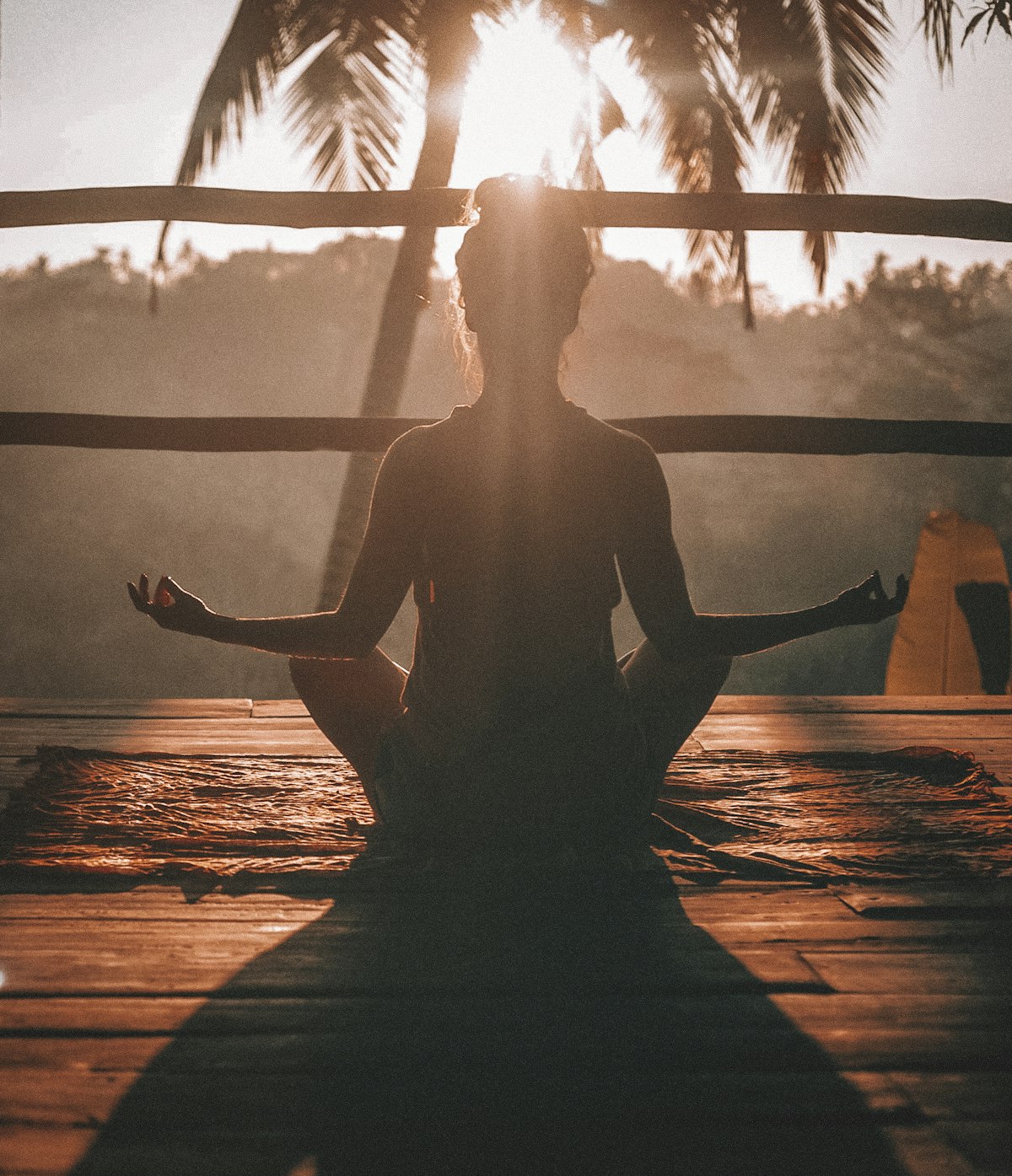
Breathwork for stress is simple — but it’s not magic
When stress hits, your breathing often changes before you fully notice it. It gets faster, shallower, and more chest-driven. That pattern can reinforce the body’s stress response, raising tension and making it harder to think clearly.
Breathwork helps because breathing is one of the few body processes that is both automatic and voluntary. By changing how you breathe, you can send signals of safety to your nervous system. That doesn’t mean breathing exercises cure anxiety, trauma, or burnout — but they can be a practical tool to lower arousal in the moment and help you recover faster.
Research suggests slow, controlled breathing can reduce perceived stress, improve emotional regulation, and support heart rate variability, a marker linked with resilience and autonomic nervous system balance. The effects are often modest but meaningful, especially when practiced consistently.
What breathwork actually does in your body
Most calming breath practices work through a few basic mechanisms:
- They slow your respiratory rate. Many people under stress breathe 15–20 times per minute or more. Slowing that closer to about 5–8 breaths per minute can support a calmer physiological state.
- They lengthen your exhale. A slightly longer exhale tends to promote parasympathetic activity — the “rest and digest” side of your autonomic nervous system.
- They reduce muscle tension. Slow breathing can soften jaw, neck, shoulder, and chest tension that tends to build during stress.
- They anchor attention. Focusing on the breath can interrupt rumination and bring you back to the present moment.
That said, more intense breathwork is not always better. Fast, forceful breathing methods can make some people feel lightheaded, jittery, or emotionally overwhelmed. If your goal is stress relief, gentle and repeatable usually works best.
When breathwork helps most
Breathing exercises are especially useful when you feel:
- mentally scattered before a meeting or workout
- stuck in shallow, upper-chest breathing
- tense at bedtime
- overwhelmed by decision fatigue
- emotionally activated after an argument or stressful email
- stressed around meals, which can make it harder to notice hunger and fullness cues
This is one reason mindfulness and nutrition overlap more than people think. When you’re chronically stressed, digestion, appetite, and food choices can feel more chaotic. Even 2–5 minutes of breathing before a meal can help you slow down enough to eat more intentionally.
The best beginner breathwork techniques for stress
You do not need a cushion, a class, or 30 spare minutes. Start with one technique and practice it once or twice a day for a week.
1. Physiological sigh
This is one of the fastest tools for acute stress.
How to do it:
- Inhale through your nose.
- Take a second short inhale through your nose to fully expand the lungs.
- Exhale slowly and fully through your mouth.
- Repeat for 1–3 rounds.
Why it may help: this pattern can help offload carbon dioxide efficiently and reduce that “I need to catch my breath” feeling that often comes with stress.
Best for:
- sudden anxiety
- pre-meeting nerves
- moments when you feel keyed up quickly
2. Extended exhale breathing
This is simple, effective, and easy to remember.
Try this pattern:
- inhale for 4 seconds
- exhale for 6–8 seconds
- repeat for 2–5 minutes
If 4 in and 8 out feels strained, shorten it. A forced long exhale defeats the purpose. Comfortable breathing matters more than exact numbers.
Best for:
- winding down at night
- calming your body after a stressful commute
- taking the edge off cravings that are stress-driven rather than hunger-driven
3. Box breathing
Box breathing is popular because it gives your mind a structure to follow.
Try it like this:
- inhale for 4 seconds
- hold for 4 seconds
- exhale for 4 seconds
- hold for 4 seconds
- repeat for 1–3 minutes
This can improve focus, but breath holds are not ideal for everyone. If holding your breath makes you feel uncomfortable, skip the holds and return to slow inhale/exhale breathing.
Best for:
- mental reset between tasks
- easing into meditation
- moments when your thoughts feel noisy
4. Resonant or coherent breathing
This method usually means breathing at about 5–6 breaths per minute, which often looks like:
- inhale for 5 seconds
- exhale for 5 seconds
- continue for 5–10 minutes
This style has been studied for stress management and autonomic regulation. Many people find it calming without feeling overly effortful.
Best for:
- daily practice
- midday stress
- building a consistent mindfulness habit
How to make breathwork actually stick
Like any wellness tool, breathwork works better when it fits your real life.
Pair it with something you already do
Habit stacking makes practice easier. Try breathing:
- before your first sip of coffee
- after brushing your teeth
- in the car before walking into work
- before lunch
- when you get into bed
Keep it short enough to repeat
You do not need 20 minutes. For stress management, 2–5 minutes is enough to be useful. Consistency beats intensity.
Use cues from your body
Good signs:
- shoulders dropping
- jaw unclenching
- slower thoughts
- easier, quieter breathing
Signs to back off:
- dizziness
- tingling
- air hunger
- rising panic
If you notice the second list, return to normal breathing and stop the exercise.
A 5-minute breathwork routine you can use today
If you want one practical routine, use this:
- Minute 1: Sit or stand tall and notice your normal breath without changing it.
- Minute 2: Breathe in through your nose for 4 seconds and out for 6 seconds.
- Minute 3: Keep the same rhythm and relax your jaw and shoulders.
- Minute 4: Lengthen the exhale to 7–8 seconds only if it still feels easy.
- Minute 5: Return to natural breathing and notice whether your body feels even 5% calmer.
That last step matters. Breathwork is not about chasing a perfect zen state. It is about creating a small but real shift.
Common mistakes that make breathwork less helpful
Breathing too deeply
Calming breathing is not the same as taking huge breaths. Overbreathing can make you feel lightheaded or more anxious. Think slow and gentle, not big and dramatic.
Forcing a pace that feels unnatural
If a guided exercise feels stressful, change the count. A 3-second inhale and 5-second exhale is still useful.
Only using it when you’re already overwhelmed
Breathwork is most effective when practiced both during stress and outside of stressful moments. Repetition builds familiarity, which makes it easier to access when you really need it.
Expecting it to solve everything
Breathwork can support stress management, but it does not replace sleep, therapy, movement, nutrition, medication, or medical care when those are needed.
Breathwork, appetite, and emotional eating
Stress does not affect everyone’s appetite the same way. Some people lose interest in food, while others crave highly palatable foods, especially foods rich in sugar, fat, or both.
A short breathing practice can create a pause between emotion and action. That pause may help you ask:
- Am I physically hungry?
- Am I eating to soothe stress?
- Would food help right now, or do I need a walk, water, rest, or a break first?
This is where a mindfulness practice and an AI nutrition app can work well together. If you track meals, hunger, mood, or patterns over time, you may notice that certain stressors consistently affect your appetite, energy, or eating speed.
Who should be cautious with breathwork
Gentle slow breathing is safe for most people, but a few groups should take extra care:
- people with panic disorder who feel triggered by breath focus
- people with significant respiratory disease like uncontrolled asthma or COPD
- people who feel faint easily
- anyone with trauma histories who finds inward-focused practices activating
If that’s you, keep sessions short, skip breath holds, and consider practicing with a qualified clinician or therapist. Stop if symptoms worsen.
The bottom line
Breathwork is not a cure-all, but it is one of the most accessible stress-management tools you have. A few minutes of slower, gentler breathing can help lower tension, improve focus, and make it easier to respond instead of react.
Start small: pick one technique, practice for 2–5 minutes daily, and let “better” be enough. A calmer nervous system is not something you force — it’s something you train, one breath at a time.