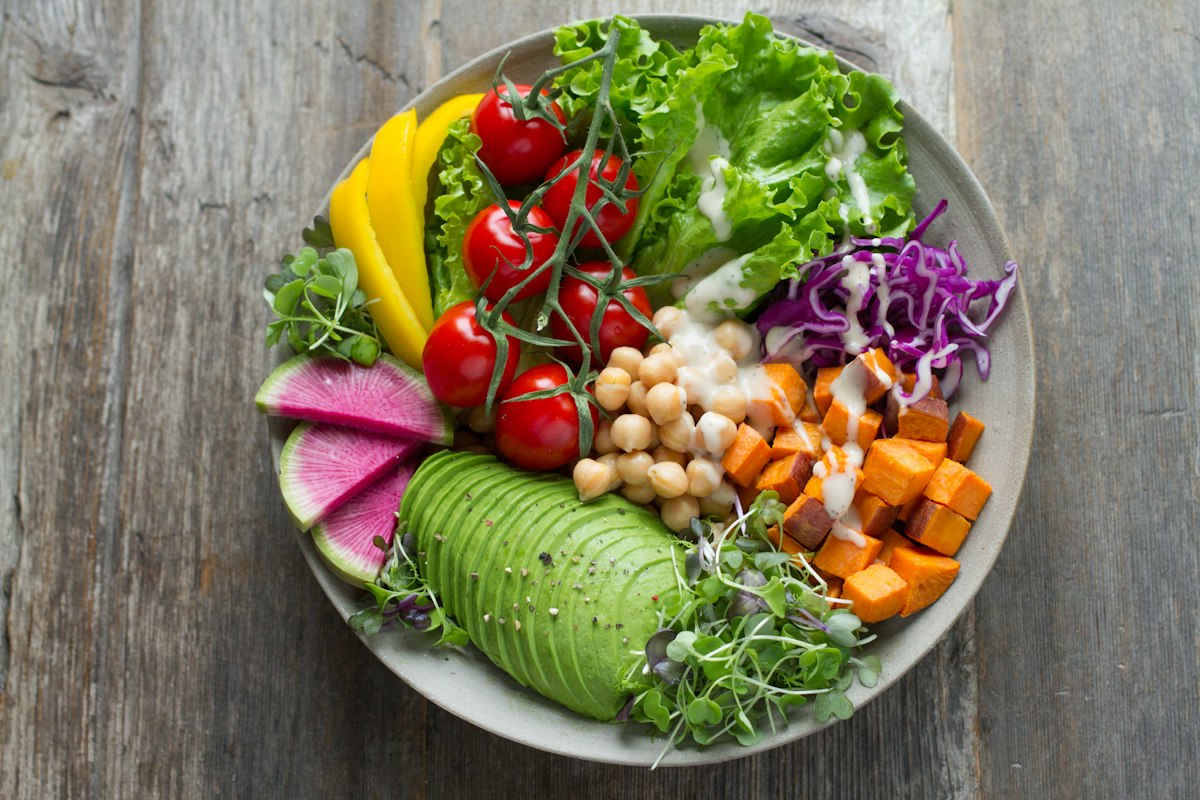
Smart snacking starts with a simple question
A snack is not automatically good or bad. What matters is whether it helps you feel better, stay energized, and arrive at your next meal comfortably hungry instead of ravenous.
For a lot of people, the real problem is not snacking itself. It’s eating foods that digest quickly, don’t satisfy you for long, and make it easy to overshoot your needs without noticing.
Done well, a snack can help you bridge long gaps between meals, support exercise recovery, and prevent the kind of extreme hunger that leads to impulsive eating later.
Why some snacks keep you full and others don’t
Fullness is influenced by more than calories alone. Research consistently shows that protein, fiber, and food volume play a big role in satiety.
A snack built around refined carbs by themselves, like crackers, candy, or a pastry, tends to digest quickly. That can give you a short burst of energy, but it often does not keep you satisfied for very long.
On the other hand, snacks that combine protein, fiber, and sometimes healthy fats slow digestion and tend to hold you over better. Think of the difference between a plain granola bar and Greek yogurt with berries, or between pretzels alone and an apple with peanut butter.
The three-part formula for a satisfying snack
Use this as your go-to framework:
- Protein: aim for 10–20 grams
- Fiber: aim for 3–8 grams
- Produce or high-volume food: include fruit, vegetables, or another water-rich food when you can
This combination helps support fullness, steadier energy, and better portion control.
When snacking makes sense
You do not need to snack just because it is 3 p.m. Some people genuinely feel best with three meals a day. Others do better with one or two planned snacks.
A snack is often useful if:
- You regularly go more than 4–5 hours between meals
- You train between meals and need fuel before or after
- Your next meal is going to be late
- You notice that waiting too long makes you overeat at dinner
- You wake up early and have a long stretch before lunch
A snack may be less helpful if you are eating out of boredom, stress, or habit when you are not physically hungry. That does not mean you need perfect hunger awareness at all times. It just helps to pause and ask what you actually need.
How to tell if you need a snack
Try this quick check-in before you reach for food:
- How hungry are you, from 1 to 10? If you are around a 3 or 4, a snack may help. If you are at a 7 or 8, you may need a more substantial meal.
- When did you last eat? If it has been less than 2 hours, the issue may be thirst, stress, or low-energy food choices earlier.
- What is your next meal likely to look like? If dinner is 3 hours away, a smaller snack works. If dinner is 6 hours away, you may need something more filling.
- What do you actually want? If you are craving crunch, sweetness, or something cold, you can usually work with that instead of fighting it.
The calorie range that works for most people
For many adults, a satisfying snack lands somewhere around 150–300 calories. The right amount depends on your body size, activity level, and how far away your next meal is.
A 120-calorie snack may be enough if lunch is in an hour. If you just finished a workout and dinner is not for another four hours, you may need more like 250–300 calories with solid protein.
The point is not to hit a perfect number. It is to eat enough to feel better, not so little that you end up scavenging through the kitchen 20 minutes later.
10 snack ideas that are actually filling
These options are balanced, practical, and easy to adjust.
1. Greek yogurt, berries, and chia seeds
- Protein: about 15–20g from 3/4 to 1 cup Greek yogurt
- Add 1/2 cup berries and 1 tablespoon chia seeds for fiber
2. Apple with peanut or almond butter
- Pair 1 medium apple with 1–2 tablespoons nut butter
- For more staying power, add a cheese stick or a few slices of turkey
3. Cottage cheese and fruit
- 3/4 to 1 cup cottage cheese provides roughly 20–25g protein
- Top with pineapple, berries, or sliced peach
4. Edamame with sea salt
- 1 cup shelled edamame gives around 18g protein and 8g fiber
- Great if you want something savory
5. Hummus with carrots, cucumbers, and whole-grain crackers
- Use 1/4 cup hummus plus a generous portion of vegetables
- Add 6–8 whole-grain crackers if you need more substance
6. Hard-boiled eggs and a piece of fruit
- 2 eggs provide about 12g protein
- Pair with an orange, pear, or grapes for fiber and volume
7. Protein smoothie
- Blend 1 scoop protein powder, milk or soy milk, frozen berries, and spinach
- Useful after training or when you need something portable
8. Tuna on whole-grain crackers
- Mix a pouch of tuna with a little Greek yogurt or mustard
- Add sliced cucumber or cherry tomatoes on the side
9. Roasted chickpeas and fruit
- Chickpeas give fiber and some protein
- Better yet, combine them with yogurt or cheese if you want longer-lasting fullness
10. Cheese, whole-grain toast, and tomato
- A simple mini-meal with protein, carbs, and volume
- Works well when dinner is still far away
Common snacking mistakes that leave you hungry
A few patterns show up again and again.
Eating mostly carbs by themselves
Foods like pretzels, crackers, cereal bars, or dried fruit can be fine, but they usually work better when paired with protein. Add string cheese, yogurt, milk, turkey, or nuts to make them more satisfying.
Being too “good” with portion size
If your snack is so small that it barely takes the edge off, you may end up circling back for more. A snack should be enough to noticeably reduce hunger.
Waiting until you are starving
When you let hunger build for too long, high-calorie, low-satiety foods become much harder to moderate. Planned snacks can be a useful tool, not a lack of discipline.
Ignoring your environment
It is much easier to snack well when decent options are visible and convenient. Wash fruit ahead of time, keep yogurt stocked, portion trail mix, and store less satisfying “snacky” foods out of immediate reach.
What about snacks for weight loss?
Snacks can absolutely fit into a fat-loss plan. The key is choosing foods that give you more fullness per calorie and using snacks strategically instead of mindlessly.
Good options often include:
- Nonfat or low-fat Greek yogurt
- Cottage cheese
- Fruit
- Raw vegetables
- Edamame
- Air-popped popcorn
- Boiled eggs
- High-fiber crackers
This does not mean higher-fat foods are bad. Nuts, seeds, nut butters, and cheese can be nutritious and satisfying, but portions matter because calories add up quickly. For example, 2 tablespoons peanut butter has about 190 calories, which can be perfect for some people and too much for others depending on context.
Smart snacking around workouts
If you are active, snack timing can make a real difference.
Before a workout
If you are eating 1–2 hours before exercise, aim for easy-to-digest carbs and a little protein, such as:
- Banana with Greek yogurt
- Toast with peanut butter
- Small smoothie
After a workout
If your next meal is not soon, try to get 20–30g protein plus some carbs within a couple of hours. That can support muscle repair and recovery.
Examples:
- Protein shake and fruit
- Cottage cheese with berries
- Turkey sandwich on whole-grain bread
A simple way to make better choices consistently
You do not need to memorize perfect snacks. Just ask: Does this have protein? Does it have fiber or produce? Will it actually keep me full?
If you track your intake with an AI nutrition app, it can also help you spot patterns, like always getting overly hungry at 4 p.m. or consistently under-eating protein earlier in the day. That kind of feedback can make snack decisions much easier.
Build your own go-to snack list
Create a short personal list of 5 to 10 snacks you genuinely enjoy. Include options for home, work, and on-the-go.
For example:
- Greek yogurt cups
- Apples and peanut butter packets
- Cottage cheese
- Edamame
- Cheese sticks and fruit
- Hummus and baby carrots
- Protein shake ingredients
- Whole-grain crackers and tuna packets
When your defaults are solid, you rely less on willpower and more on setup.
The bottom line
A good snack should do a job: curb hunger, support energy, and help you feel more in control around food. Focus on protein, fiber, and enough volume to actually satisfy you.
You do not need perfect eating habits to snack well. A few smart defaults can make your whole day feel easier.