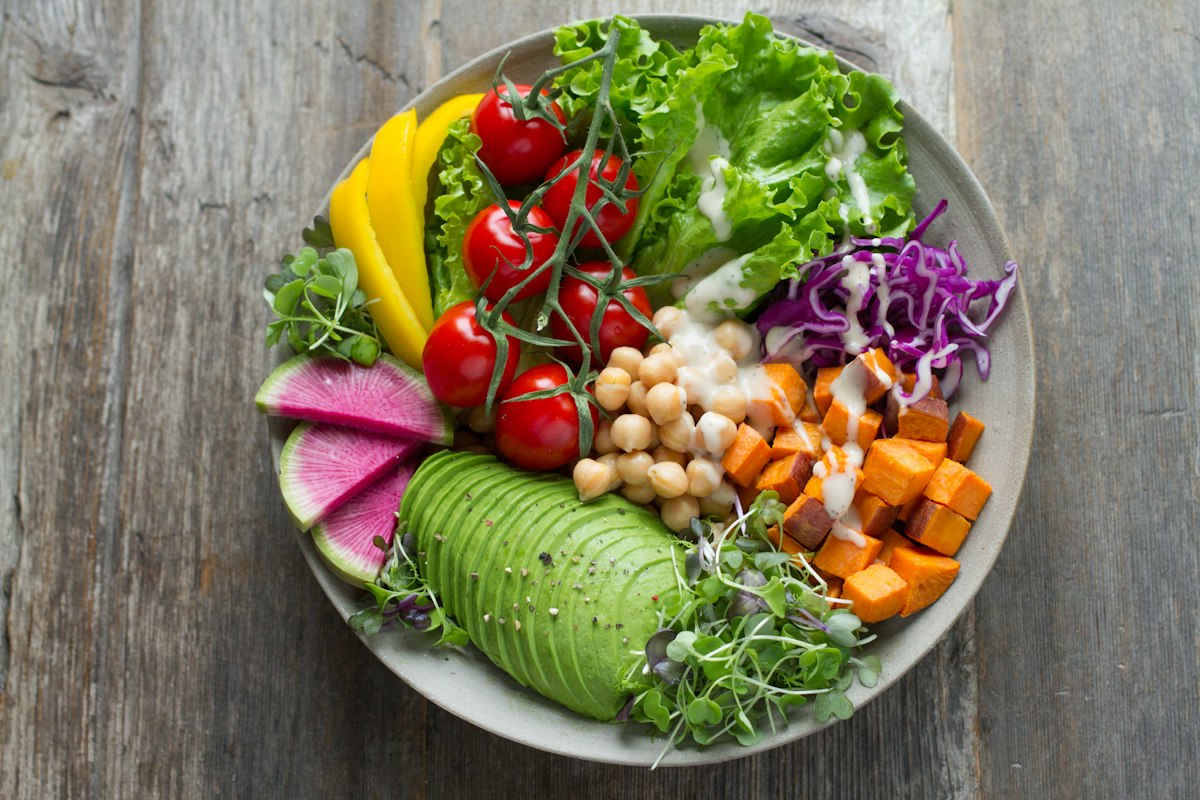
How to balance blood sugar with everyday meals
You don’t need diabetes to benefit from steadier blood sugar. Big spikes and crashes can affect your energy, hunger, mood, and focus, even if your labs are normal.
The good news: blood sugar-friendly eating is usually just solid nutrition with a little more structure. When you build meals around fiber, protein, healthy fats, and smart carb choices, you can often feel fuller longer and avoid that mid-afternoon slump.
What “balanced blood sugar” really means
Blood sugar, or blood glucose, rises after you eat carbohydrates. That’s normal. Your body uses insulin to help move that glucose into cells for energy or storage.
Problems tend to show up when meals are heavy in fast-digesting carbs and low in protein, fiber, or fat. For some people, that can mean a quick rise in blood sugar followed by a sharp drop, which may leave you feeling hungry, shaky, sleepy, or craving sweets.
You do not need to fear carbohydrates. Carbs are your body’s preferred energy source, especially for your brain and during exercise. The goal is not zero carbs. It’s choosing the type, amount, and meal context that help your body handle them well.
Why steadier blood sugar matters
Keeping blood sugar more stable may help with:
- More consistent energy through the day
- Better appetite control and fewer cravings
- Improved concentration and mood
- Easier weight management over time
- Better long-term metabolic health
Research consistently shows that higher-fiber diets, minimally processed foods, regular physical activity, and weight management when needed support better blood sugar control and lower risk of type 2 diabetes.
The 4 parts of a blood sugar-friendly meal
A simple way to build meals is to include these four pieces most of the time:
1. Protein
Protein slows digestion, supports fullness, and helps reduce how quickly a meal raises blood sugar.
Aim for 20–35 grams of protein per meal for most adults. Good options include:
- Greek yogurt or cottage cheese
- Eggs
- Chicken or turkey
- Fish like salmon or tuna
- Tofu, tempeh, or edamame
- Lentils, beans, and higher-protein pasta
Examples of roughly 20–30 grams:
- 1 cup Greek yogurt: about 20 grams
- 3 eggs plus 1/2 cup egg whites: about 25 grams
- 4 ounces cooked chicken breast: about 35 grams
- 1 block extra-firm tofu, half block serving: about 20 grams
2. Fiber-rich carbohydrates
Fiber slows how fast food moves through your digestive tract and can blunt rapid blood sugar rises after meals. Most adults would benefit from more fiber. A practical target is 25–38 grams per day, in line with general nutrition guidance.
Choose carbs like:
- Oats or steel-cut oats
- Beans, lentils, and chickpeas
- Whole fruit instead of juice
- Potatoes or sweet potatoes with the skin
- Brown rice, quinoa, barley, or farro
- Whole grain bread with at least 3 grams of fiber per slice
- Non-starchy vegetables like broccoli, peppers, greens, and cauliflower
A note on fruit: whole fruit is not the enemy. Fruit contains natural sugar, but it also provides water, fiber, and beneficial plant compounds. For most people, whole fruit supports health rather than harming it.
3. Healthy fats
Fat also slows digestion and can make meals more satisfying. You don’t need a huge amount. Even 1–2 tablespoons of fat at a meal can help.
Try:
- Avocado
- Nuts and nut butter
- Seeds like chia, flax, or pumpkin
- Olive oil
- Tahini
- Fatty fish
4. Volume from non-starchy vegetables
Vegetables add fiber, water, and nutrients with relatively few calories. They help “stretch” a meal so you feel satisfied without relying only on refined carbs.
Aim to fill about half your plate with non-starchy vegetables at lunch and dinner when possible.
An easy plate formula to use anywhere
If you like simple rules, start here:
- Fill 1/2 your plate with non-starchy vegetables.
- Fill 1/4 with protein.
- Fill 1/4 with fiber-rich carbs.
- Add a small serving of healthy fat.
This is not a medical prescription. It’s a flexible visual guide that works well for many people.
Meals that spike blood sugar faster
You don’t need to avoid these foods forever, but they are more likely to cause a quicker rise when eaten alone or in large portions:
- Sugary drinks, juice, sweet tea, and soda
- Pastries, donuts, and many packaged baked goods
- Sugary cereal
- White bread, crackers, or bagels without protein
- Large portions of white rice or refined pasta on their own
- Snack foods like pretzels or chips by themselves
The pattern matters more than any single food. A plain bagel for breakfast is very different from half a bagel paired with eggs, Greek yogurt, and berries.
7 practical ways to keep blood sugar steadier
1. Don’t eat carbs by themselves all the time
Pair carbs with protein, fat, or both. For example:
- Apple + peanut butter
- Toast + eggs
- Rice + salmon + vegetables
- Crackers + cottage cheese
This is one of the simplest changes you can make.
2. Start your day with a higher-protein breakfast
Many common breakfasts are mostly refined carbs: cereal, pastries, or toast alone. That can set you up for a mid-morning crash.
Try breakfasts with 25–30 grams of protein, such as:
- Greek yogurt bowl with berries, chia seeds, and walnuts
- Eggs with sautéed veggies and whole grain toast
- Protein oatmeal made with milk, seeds, and a side of cottage cheese
- Tofu scramble with avocado and fruit
3. Choose whole carbs more often than refined ones
You do not need to ban white rice or bread. But in your regular routine, choosing less processed carbs often means more fiber and slower digestion.
Good swaps:
- Oatmeal instead of sugary cereal
- Whole fruit instead of juice
- Beans or lentils added to rice dishes
- Whole grain toast instead of pastries
- Roasted potatoes instead of a large serving of chips
4. Watch liquid sugar
Liquid carbs are easy to consume quickly and often do less for fullness than solid food. If you drink soda, juice, sweet coffee drinks, or energy drinks often, cutting back can make a noticeable difference.
Try sparkling water, unsweetened tea, coffee with less added sugar, or pairing a smoothie with protein and fiber instead of drinking fruit juice alone.
5. Move after meals when you can
A short walk after eating can help your body use glucose more effectively. You do not need a hard workout.
Even 10–15 minutes of walking after a meal can be helpful, especially after larger meals or carb-heavier ones.
6. Space meals and snacks realistically
Going many hours without eating can backfire for some people, leading to intense hunger and overeating later. Others do fine with fewer meals. There’s no universal schedule.
A practical starting point is eating every 3–5 hours while awake if that helps you feel steady. If you tend to crash in the afternoon, a balanced snack may help.
Balanced snack ideas:
- Plain Greek yogurt and berries
- String cheese and an apple
- Hummus with carrots and whole grain crackers
- Edamame
- Cottage cheese with cucumber or pineapple
7. Prioritize sleep and stress management too
Poor sleep and chronic stress can affect insulin sensitivity, hunger hormones, and food choices. Nutrition matters, but it doesn’t work in isolation.
If your eating is solid but your energy and cravings still feel chaotic, your sleep, stress load, and activity level may be part of the picture.
What about dessert?
You do not have to give up dessert to support blood sugar.
A few smarter ways to enjoy it:
- Have dessert after a balanced meal instead of on an empty stomach
- Keep portions moderate
- Choose options that include some protein or fat, like Greek yogurt with dark chocolate
- Enjoy sweets intentionally instead of grazing on them all evening
A healthy pattern includes flexibility.
Sample blood sugar-friendly day of eating
Breakfast
Greek yogurt parfait with:
- 1 cup plain Greek yogurt
- 1/2 cup berries
- 2 tablespoons chia seeds
- 1 tablespoon chopped walnuts
- 1/3 cup oats
Lunch
Grain bowl with:
- 4–5 ounces grilled chicken or tofu
- 1/2 to 3/4 cup quinoa
- Roasted broccoli and peppers
- 1/4 avocado
- Olive oil vinaigrette
Snack
Apple with 2 tablespoons peanut butter
Dinner
Salmon, sweet potato, and green beans:
- 4–6 ounces salmon
- 1 medium sweet potato
- 2 cups green beans
- Olive oil or butter for flavor
When tracking can help
If you often feel tired, ravenous, or snacky and cannot figure out why, tracking meals for a week can reveal patterns. Using an AI nutrition app can make it easier to spot whether your meals are low in protein, light on fiber, or too dependent on refined carbs.
The goal is not perfection. It’s learning what actually helps you feel and function better.
A few important caveats
Blood sugar responses vary from person to person. Exercise, sleep, stress, medications, meal timing, and even how ripe a food is can change how your body responds.
If you have diabetes, prediabetes, PCOS, a history of disordered eating, or you take glucose-lowering medication, you may need a more personalized plan. In that case, check in with your doctor or a registered dietitian before making major changes.
The bottom line
Balancing blood sugar is less about cutting out carbs and more about building better meals. Focus on protein, fiber, healthy fats, and minimally processed carbs most of the time, and use movement and consistent eating habits to support the rest.
You do not need to eat perfectly to feel better. A few steady, repeatable changes can go a long way.