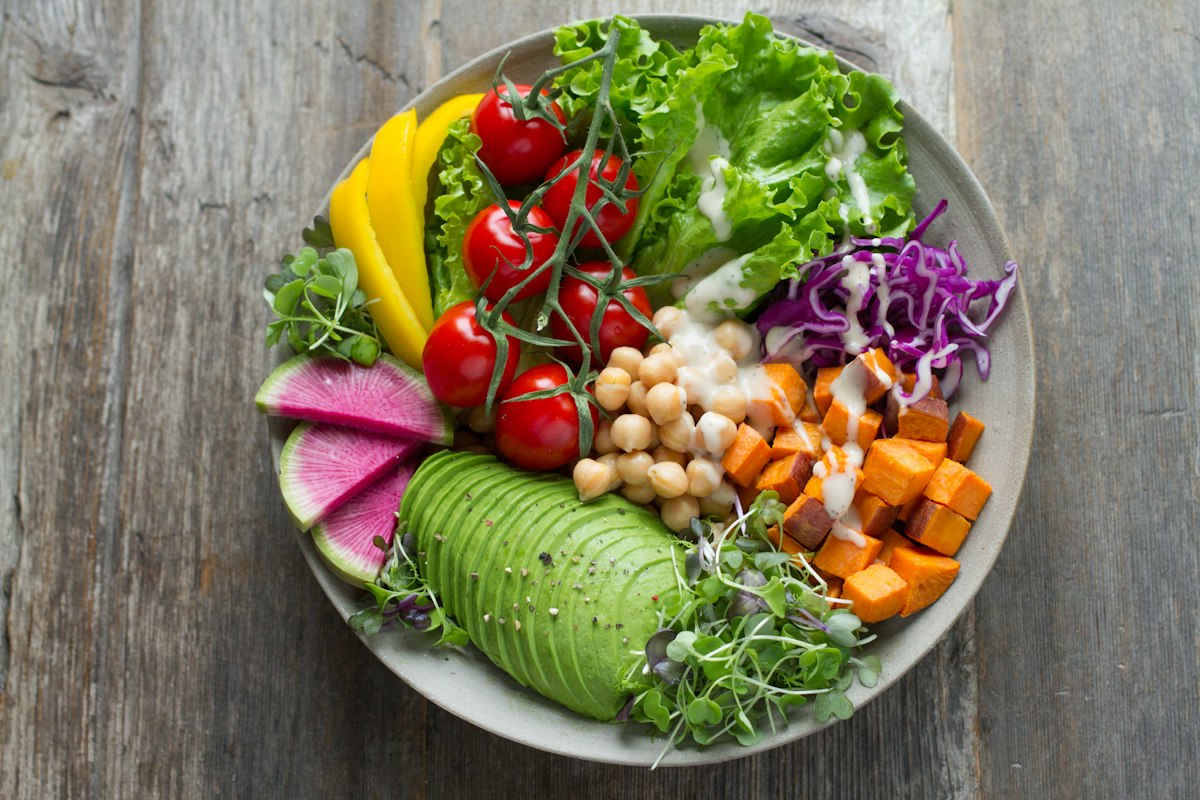
Most adults eat less fiber than recommended, and that gap matters more than you might think.
Fiber supports regular digestion, helps with fullness, slows the rise of blood sugar after meals, and can help lower LDL cholesterol. But if you go from a low-fiber diet to a giant salad, chia pudding, and a bowl of beans overnight, your gut will probably protest.
The good news: you do not need to overhaul everything at once. A steady, practical approach works better and usually feels better too.
Why fiber matters
Fiber is the part of plant foods your body doesn’t fully digest. Instead of being broken down like protein, fat, or starch, it moves through your digestive tract and does a few important jobs along the way.
Broadly, fiber is often described as soluble or insoluble, though many foods contain both.
Soluble fiber can help with:
- slowing digestion
- improving post-meal blood sugar control
- lowering LDL cholesterol
- increasing fullness
Foods rich in soluble fiber include oats, beans, lentils, chia seeds, flaxseed, apples, citrus, and barley.
Insoluble fiber can help with:
- adding bulk to stool
- supporting regular bowel movements
- reducing constipation in many people
Foods higher in insoluble fiber include wheat bran, whole grains, nuts, seeds, and many vegetables.
A high-fiber eating pattern is also linked with better long-term health outcomes. Large observational studies consistently associate higher fiber intake with lower risk of cardiovascular disease, type 2 diabetes, and colorectal disease. That doesn’t mean fiber is magic, but it is one of the clearest markers of a high-quality diet.
How much fiber you actually need
A useful baseline is 14 grams of fiber per 1,000 calories.
That works out to about:
- 25 grams per day for most adult women
- 38 grams per day for most adult men
Many people are closer to 10 to 18 grams per day, especially if their diet is heavy on refined grains, convenience foods, and low-produce meals.
If you have no idea where you stand, tracking your meals in an AI nutrition app for a few days can help you spot whether your intake is consistently low and which meals are missing fiber.
You do not need to chase extreme numbers. For most people, moving from 12 grams to 22 grams is already a meaningful improvement.
The best high-fiber foods to eat more often
You’ll get the most benefit when you spread fiber across the day instead of trying to cram it all into one meal.
High-fiber foods with real-world amounts
- Lentils, 1 cup cooked: about 15–16 g
- Black beans, 1 cup cooked: about 15 g
- Chickpeas, 1 cup cooked: about 12 g
- Chia seeds, 2 tablespoons: about 10 g
- Raspberries, 1 cup: about 8 g
- Pear, 1 medium: about 5–6 g
- Apple with skin, 1 medium: about 4–5 g
- Avocado, 1 medium: about 10 g
- Oats, 1 cup cooked: about 4 g
- Bran cereal, serving varies: often 5–10+ g
- Sweet potato with skin, 1 medium: about 4 g
- Broccoli, 1 cup cooked: about 5 g
- Brussels sprouts, 1 cup cooked: about 6 g
- Almonds, 1 ounce: about 3.5 g
- Popcorn, 3 cups air-popped: about 3.5 g
- Whole-wheat pasta, 1 cup cooked: about 6 g
A simple rule: build meals around beans, lentils, whole grains, fruit, vegetables, nuts, and seeds. Fiber supplements can help in some cases, but food gives you vitamins, minerals, water, and phytonutrients too.
How to increase fiber without bloating
This is the part most people skip. Fiber works best when your gut gets time to adapt.
1. Increase gradually
Aim to add about 3 to 5 grams per day, then hold steady for a few days before increasing again.
For example:
- Week 1: add fruit at breakfast
- Week 2: switch to whole grains at lunch
- Week 3: add beans or lentils at dinner
That slower ramp-up gives your digestive system and gut microbes time to adjust.
2. Drink more water as fiber goes up
Fiber and fluid work together. If you increase fiber without enough fluids, constipation and bloating can get worse.
A practical target for many adults is roughly 2 to 3 liters of fluids per day, though needs vary with body size, climate, exercise, and diet. You don’t need to obsess over a perfect number, but if your urine is consistently dark and you rarely drink water, start there.
3. Start with cooked foods if raw vegetables bother you
Raw salads are healthy, but they can be harder to tolerate than cooked vegetables for some people.
If your stomach is sensitive, try:
- roasted carrots
- cooked oats
- soups with beans or lentils
- steamed zucchini
- baked sweet potato
- applesauce or stewed fruit
Cooked foods can still be high in fiber while being easier on digestion.
4. Spread fiber across meals
Going from a low-fiber breakfast to a 20-gram fiber dinner is a recipe for gas.
A better approach is something like:
- Breakfast: 5–8 g
- Lunch: 7–10 g
- Snack: 3–5 g
- Dinner: 8–12 g
That distribution usually feels much better than one giant fiber bomb.
5. Be smart with beans
Beans are one of the best fiber foods, but they can be rough if you’re not used to them.
To make them easier to tolerate:
- start with 1/4 to 1/2 cup, not a huge bowl
- rinse canned beans well
- try lentils first, which some people tolerate better
- eat them regularly in small amounts instead of rarely in large amounts
Your body often adapts with repeated exposure.
6. Don’t ignore the rest of your diet
Sugar alcohols, giant portions, very high-fat meals, fast eating, and low physical activity can all worsen bloating. Fiber gets blamed for stomach issues that are sometimes caused by the bigger picture.
A short walk after meals, chewing more slowly, and eating on a more regular schedule can make a noticeable difference.
A simple high-fiber day that feels realistic
You do not need expensive “superfoods” to hit a good fiber target. Here’s one example day that lands around 30 to 35 grams.
Breakfast
Oatmeal made with 1/2 cup dry oats, topped with:
- 1 tablespoon chia seeds
- 1 cup raspberries
- 2 tablespoons chopped almonds
Fiber: about 13–15 g
Lunch
Grain bowl with:
- 3/4 cup cooked quinoa
- 1/2 cup chickpeas
- chopped cucumber and tomato
- mixed greens
- olive oil and lemon
Fiber: about 9–11 g
Snack
1 medium apple with 2 tablespoons peanut butter
Fiber: about 5–6 g
Dinner
Salmon, 1 medium baked sweet potato with skin, and 1 cup roasted broccoli
Fiber: about 8–9 g
That day is balanced, filling, and realistic for someone who wants better digestion and satiety without living on salad.
Common mistakes that backfire
A few patterns show up again and again:
- adding fiber too fast
- relying only on raw vegetables
- eating a lot of bran cereal but very little water
- expecting one “healthy” meal to fix a low-fiber diet
- using fiber bars that are packed with sugar alcohols and then wondering why your stomach hurts
If you feel worse after increasing fiber, it usually means the pace, type, or overall meal pattern needs adjusting.
When more fiber is not always better
Fiber is healthy for many people, but there are exceptions.
You may need a more individualized plan if you have:
- IBS, especially if high-FODMAP foods trigger symptoms
- IBD flares
- gastroparesis
- a history of bowel narrowing or obstruction
- recent gastrointestinal surgery
In these situations, “just eat more fiber” can be the wrong advice. Some people do better with specific types of fiber, lower-fiber meals during flares, or a gradual reintroduction plan guided by a clinician or registered dietitian.
Constipation is another area where nuance matters. For some people, more fiber helps. For others, especially if fluid intake is low or stool is already backed up, suddenly adding a lot more fiber can make things worse before it gets better.
The bottom line
If you want better digestion, steadier energy, and more satisfying meals, fiber is one of the highest-impact upgrades you can make. The trick is not to eat the most fiber possible tomorrow. It’s to increase it slowly, choose foods you’ll actually keep eating, and give your body time to adapt.
Start with one meal, one food swap, or one extra serving of plants per day. Small changes really do add up, and your gut will usually thank you for taking the slower, smarter route.