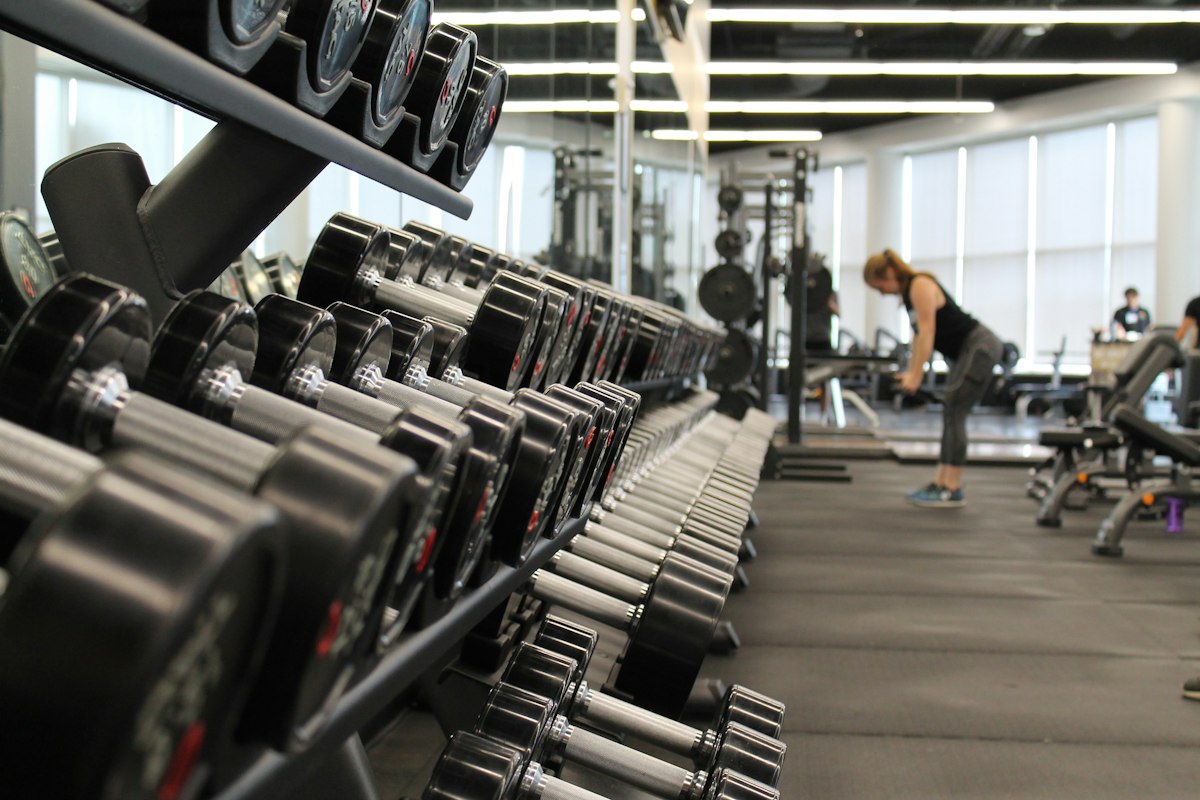
Strength training can feel intimidating when you’re new to it, especially if you think you need a gym membership, heavy weights, or an athletic background to get started. The good news: you don’t.
With a simple plan and a little consistency, you can build strength, improve mobility, support bone health, and feel more capable in daily life. And yes — you can start at almost any age.
Why strength training matters
Strength training is not just about building bigger muscles. It helps preserve lean mass, supports joint function, improves balance, and makes everyday tasks easier.
Research consistently shows that resistance training can improve muscular strength, physical function, and body composition. It also supports healthy aging by helping counter the natural decline in muscle mass and strength that happens over time.
If your goal is weight management, strength training helps there too. Building or maintaining muscle supports resting energy expenditure, although it is not a magic calorie-burn tool on its own. Think of it as part of a bigger picture that includes nutrition, sleep, and daily movement.
Benefits you may notice
If you train consistently for a few weeks, you may start to notice:
- Better energy and stamina in daily life
- Easier time carrying groceries, climbing stairs, or getting up from the floor
- Improved posture and body awareness
- Better balance and coordination
- Less stiffness from too much sitting
- More confidence around exercise
Over the longer term, strength training can help support:
- Bone health, especially when paired with impact or weight-bearing activity
- Healthy blood sugar regulation
- Joint stability
- Functional independence as you age
How often should you strength train?
For most beginners, 2 to 3 full-body sessions per week is a great place to start.
That’s enough to make progress without feeling overwhelmed or staying too sore. Leave at least one day between sessions for recovery if you’re training your full body each time.
A practical weekly setup could look like this:
- Monday: full-body strength training
- Wednesday: full-body strength training
- Friday or Saturday: full-body strength training
If three days feels like too much, start with two. Consistency matters more than the “perfect” plan.
The best exercises for beginners
You do not need dozens of exercises. You need a handful of movement patterns that train your whole body.
Focus on these basics:
- Squat pattern: chair squat, goblet squat, bodyweight squat
- Hip hinge pattern: Romanian deadlift, hip hinge drill, glute bridge
- Push pattern: wall push-up, incline push-up, dumbbell chest press, overhead press
- Pull pattern: dumbbell row, resistance band row, assisted cable row
- Core stability: dead bug, bird dog, side plank, suitcase carry
- Single-leg work: split squat, step-up, supported reverse lunge
These movements cover the major muscle groups and help build useful, everyday strength.
A simple beginner workout
Start with 1 to 3 sets of each exercise and aim for 8 to 12 reps per set for most movements. Use a weight that feels challenging by the last few reps while still allowing good form.
Try this beginner full-body workout:
- Chair squat or goblet squat — 2 sets of 8–10 reps
- Dumbbell Romanian deadlift — 2 sets of 8–10 reps
- Incline push-up or dumbbell chest press — 2 sets of 8–12 reps
- One-arm dumbbell row — 2 sets of 8–12 reps per side
- Glute bridge — 2 sets of 10–12 reps
- Dead bug or side plank — 2 sets
Rest about 60 to 90 seconds between sets. The full workout can take 25 to 40 minutes.
If you only have resistance bands or bodyweight, that still works. You can build a very effective routine at home.
How hard should it feel?
A good beginner guideline is to finish each set with 1 to 3 reps left in the tank. In other words, the set should feel challenging, but not like you’re straining, twisting, or losing control.
If the last rep looks very different from the first, the weight may be too heavy. If you could easily do 10 more reps, it’s probably too light.
An effort level of around 7 or 8 out of 10 is often a good target for main exercises.
How to progress safely
Your body gets stronger when you gradually ask it to do a little more over time. That can mean more weight, more reps, an extra set, better control, or a harder variation.
Here are safe ways to progress:
- Add 1 to 2 reps per set before increasing weight
- Increase the load by the smallest amount available, often 2.5 to 5 pounds
- Add a third set after a few weeks if recovery feels good
- Slow the lowering phase to improve control
- Move from a wall push-up to an incline push-up, then to a floor push-up
You do not need to progress every workout. Some weeks, maintaining your routine is the win.
Common mistakes to avoid
Beginners often make the same few errors. Avoiding them can help you stay consistent and injury-free.
1. Doing too much too soon
Starting with six workouts a week usually backfires. You’ll be sore, tired, and more likely to quit.
2. Skipping the lower body
Many people focus on arms and abs, but your legs and hips contain some of your largest, strongest muscles. Training them improves overall function and strength.
3. Ignoring recovery
Muscle repair happens after the workout, not during it. Sleep, rest days, enough food, and adequate protein all matter.
4. Using random workouts every day
Variety is fine, but a clear plan works better than constantly changing exercises. Repeating key movements helps you improve technique and track progress.
5. Chasing soreness
Soreness is not a reliable sign of an effective workout. Progress comes from consistent training, not from being wiped out.
Nutrition basics that support strength training
You do not need a perfect diet to benefit from lifting. But a few nutrition basics can make a big difference.
Prioritize protein
Protein helps repair and build muscle. Many active adults do well with around 1.2 to 2.0 grams of protein per kilogram of body weight per day, depending on age, goals, and training load.
A practical way to do this is to include 20 to 40 grams of protein per meal from foods like:
- Greek yogurt
- Eggs
- Chicken or turkey
- Tofu, tempeh, or edamame
- Fish
- Cottage cheese
- Beans and lentils, especially when paired with grains
Eat enough overall
If you are under-eating, your workouts may feel harder and recovery may suffer. This is especially true if you’re trying to build muscle.
Don’t fear carbs
Carbohydrates help fuel training, especially if your sessions are longer or more intense. Fruit, oats, rice, potatoes, whole-grain bread, and beans are useful options.
Hydrate
Even mild dehydration can make exercise feel harder. A simple starting point is to drink water regularly through the day and include more around workouts, especially if you sweat a lot.
If you want to better understand whether you’re eating enough protein or total calories to support training, logging a few typical days in an AI nutrition app can help you spot patterns without obsessing over every bite.
What if you’re older, deconditioned, or managing joint pain?
You can still strength train, but the right starting point may look different.
A few smart modifications:
- Use a chair for squats
- Hold onto a wall or rail for balance
- Choose machines if free weights feel unstable
- Start with 1 set per exercise
- Keep the range of motion pain-free
- Focus on slow, controlled reps
Mild muscle fatigue is normal. Sharp pain, joint pain that worsens during the movement, dizziness, or chest pain is not. If you have osteoporosis, a recent injury, uncontrolled blood pressure, or a chronic medical condition, talk with a clinician or physical therapist about the safest setup for you.
How to stay consistent
Motivation is helpful, but systems are better.
Try these strategies:
- Schedule your workouts like appointments
- Keep your routine short enough that it feels doable
- Start with the same 5 to 6 exercises for 4 to 6 weeks
- Write down your weights and reps
- Train at the same time of day when possible
- Set process goals, like “complete 2 sessions this week”
You can also track workouts alongside meals, recovery, and daily habits to see how sleep, stress, and nutrition affect your performance over time.
A realistic 4-week starter plan
If you want structure, use this simple plan:
Weeks 1–2
- Train 2 days per week
- Do 1 to 2 sets per exercise
- Keep effort moderate and focus on learning form
Weeks 3–4
- Train 2 to 3 days per week
- Do 2 sets for most exercises
- Add reps or a little weight if form stays solid
At the end of four weeks, you do not need a whole new program. Often, the best next step is repeating the basics with slightly more challenge.
The bottom line
You do not need to be young, fit, or experienced to start strength training. You just need a manageable plan, a few fundamental exercises, and the patience to improve gradually.
Start small, practice consistently, and let progress build over time. A couple of focused workouts each week can change how strong, steady, and capable you feel — and that is a payoff worth training for.