Most people who try intermittent fasting quit within the first two weeks.
Not because it doesn't work. Because they started it wrong.
This guide cuts through the noise. No extreme protocols. No suffering through 23-hour fasts. Just a clear, practical breakdown of what fasting actually is, what the research honestly shows, and the simplest way to start without making yourself miserable.
What intermittent fasting actually is
It's not a diet. It doesn't tell you what to eat — it tells you when.
You choose an eating window: the hours of the day when you consume food. Outside that window, you don't eat. Water, black coffee, and plain tea are fine. That's the whole framework.

The most common starting point is 16:8 — 16 hours fasted, 8 hours eating. For most people this means skipping breakfast and eating between noon and 8pm. If you already finish dinner before 8 and don't snack late at night, you're already halfway there without knowing it.
Other approaches exist:
- 5:2 — eat normally five days a week, restrict to around 500 calories on two non-consecutive days
- OMAD (one meal a day) — works for some people, genuinely hard to sustain long term
Start with 16:8. Do two weeks. See how you feel.
Why most people quit — and how to avoid it
The number one reason people fail isn't hunger. It's trying to change everything at once.
People start fasting the same week they cut carbs, join the gym, and give up alcohol. One thing slips and the whole structure collapses — and fasting gets the blame. Pick one change. Do it properly.

The second trap is the first few days. Your body is used to eating at certain times. When it doesn't get food on schedule, it complains — irritability, mild headaches, difficulty concentrating. This is not failure. This is your body adjusting. It usually lasts three to five days.
The coffee trap catches more people than anything else. If you take yours with milk, that breaks the fast. Black coffee is fine. Milk is not. Creamer is not. Oat milk is not. This one detail silently destroys results for a lot of people who think they're fasting correctly.
What the research actually shows
Intermittent fasting works for weight loss — but probably not for the reason most people think.
It's not a special metabolic trick. The main mechanism is simpler: when you shrink your eating window, most people naturally eat less overall. Fewer hours to eat means fewer opportunities to snack without thinking about it. Total calories go down. Weight follows.
A 2022 study published in the New England Journal of Medicine compared 16:8 fasting against standard daily calorie restriction over a full year. Both groups lost similar amounts of weight. The fasting group didn't outperform on weight loss specifically — but they also didn't have to weigh and track every meal to get there.
That's the real case for fasting. It's a structure that naturally reduces eating without requiring you to count every calorie. For a lot of people, that's simply easier to stick to.
Other reported benefits include improved insulin sensitivity, better blood sugar regulation, and some early evidence on cellular repair during longer fasts. Most of that research is still developing. The weight management case is solid. The rest is promising but not proven in the way the headlines suggest.
What a real 16:8 day looks like
You wake up. Skip breakfast. Have black coffee or water. Get on with your morning.
At noon, eat your first proper meal — ideally something with decent protein so you're not ravenous by 3pm. Eat again mid-afternoon if you want. Have dinner before 8pm. Stop eating after that.
The hardest part is the morning, especially if breakfast has always been a habit. The fix isn't willpower — it's staying busy. When you have something to do from the moment you wake up, the hunger barely registers. It only feels hard when you're sitting around with nothing to occupy you.
Social eating is the other common friction point. Early brunches, late dinners, meals that fall outside your window. The answer here is flexibility. If you know you have a big lunch at 11am on Saturday, shift your window to 11am–7pm that day. Fasting works better as a consistent habit with occasional adjustments than as a rigid rule you break under pressure and then abandon entirely.
What to eat during your eating window
Fasting works better when what you eat is genuinely decent. Not perfect — just reasonable.
Lean toward protein, vegetables, and whole foods most of the time. Not for moral reasons, but practical ones: they keep you full longer, which makes the fasting window much easier.
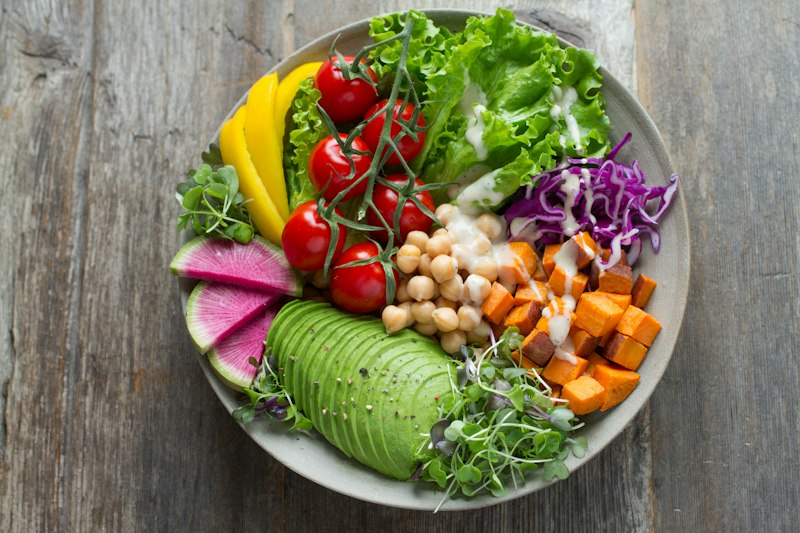
| Food | Why it helps | |------|-------------| | Eggs, chicken, Greek yoghurt | High protein — keeps hunger away for hours | | Leafy greens, roasted veg | Volume without many calories | | Oats, sweet potato, brown rice | Sustained energy — no spike and crash | | Nuts, avocado | Healthy fats that genuinely satisfy |
If your eating window is mostly ultra-processed food, you'll feel terrible and be hungry again quickly. Protein is the single most reliable thing you can eat to stay comfortable during the fast.
Fasting and exercise
You can train while fasting. Most people do fine.
Low to moderate intensity work — walking, light cardio, yoga — is straightforward in a fasted state. Some people prefer early morning fasted workouts and feel sharper for it.

Heavy strength training and high-intensity sessions are different. Some people handle fasted lifting well. Others notice performance drops. If that's you — eat something before training, even if it means adjusting your window slightly. Don't sacrifice workout quality for a precise fasting window. The fasting is a tool, not a religion.
Making it easier to track
The practical problem most people run into is just keeping track. What time did I last eat? How many hours am I at? Did that coffee break my fast?
The Nutrify app has a built-in fasting tracker — start it when your fast begins, it runs in the background, and you can see exactly where you are at any moment. It also logs meals from a photo during your eating window, so tracking what you actually eat takes seconds rather than the 8-minute logging session that kills most people's motivation.
Both matter. The fasting tracker removes the guesswork. The photo-based meal log means you can actually see your nutrition without it becoming a second job.
The honest bottom line
Intermittent fasting isn't magic. It's a framework that makes eating less easier for a lot of people — without calorie counting, without weighing food, without turning every meal into a spreadsheet exercise.
It takes about a week to feel normal. After that, most people find mornings surprisingly comfortable, focus improves, and they're simply eating less without having to think about it.
Start with 16:8. Give it two full weeks before deciding anything. Track it properly.
Download Nutrify free at nutrify.info — the fasting tracker and meal scanner are both built in.