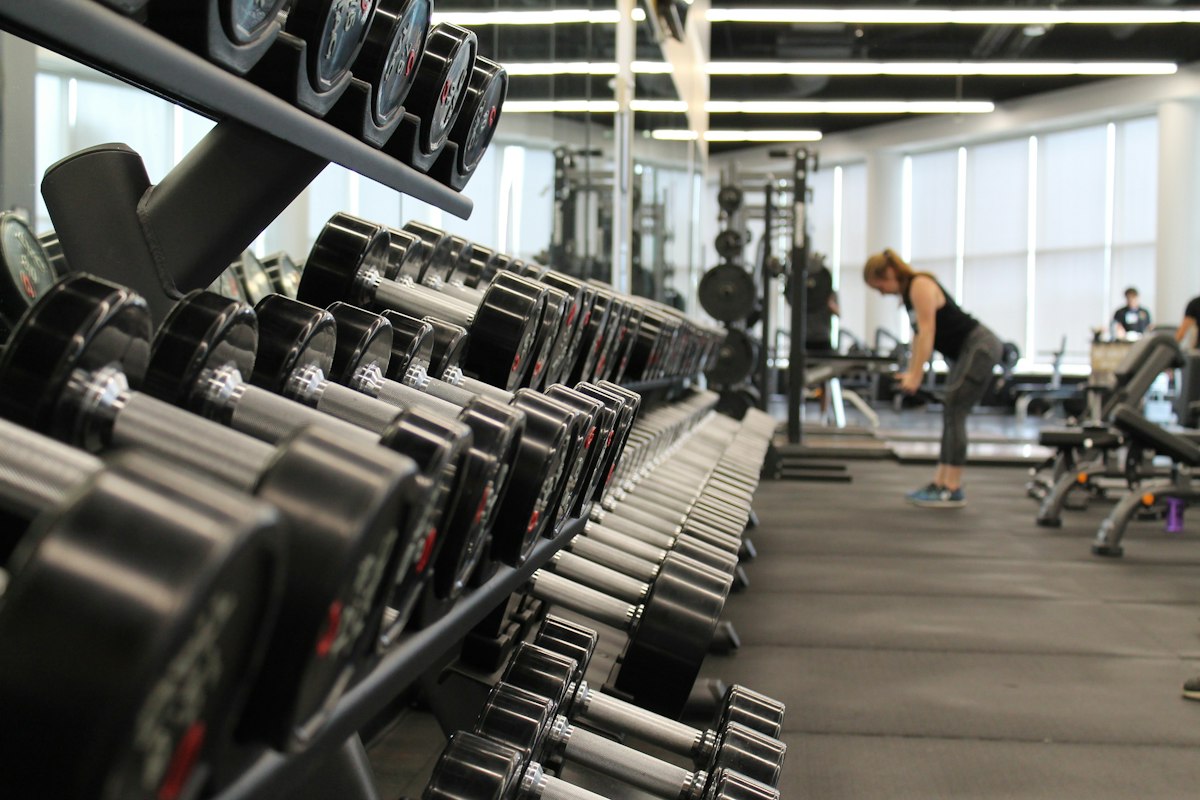
If your weeks are busy and your workouts feel random, a three-day full-body plan is your sweet spot. You’ll hit every major muscle group often enough to gain strength, without needing marathon gym sessions.
This guide gives you exactly what to do: exercises, sets, reps, rest, and how to progress week to week. It’s grounded in what consistently works—compound lifts, progressive overload, and enough recovery to grow.
Why this plan works
- Frequency: Training each muscle 2–3 times per week is effective for building strength and muscle in beginners and intermediates.
- Compound moves first: Squats, hinges, presses, and pulls train a lot of muscle at once—more results per minute.
- Progressive overload: Gradually adding weight/reps is the main driver of strength and hypertrophy.
- Recovery built in: Non-consecutive training days give your muscles and nervous system time to adapt. Major guidelines (like ACSM) recommend at least 2 days/week of resistance training; 3 well-structured days are often ideal.
The weekly layout
- Train Monday, Wednesday, Friday (or any three non-consecutive days).
- Alternate two workouts: A and B.
- Start light enough that you could do 2–3 more good reps than prescribed on your first week.
Warm-up (6–10 minutes)
- 3–5 minutes easy cardio (bike, brisk walk, jump rope).
- Dynamic mobility: hip hinges, leg swings, arm circles, T-spine rotations (about 5–8 reps each).
- 2 ramp-up sets for your first two lifts: 8 reps with just the bar/light dumbbells, then 5 reps at ~60–70% of your work weight.
The workouts
Aim for 2–3 work sets per exercise in Week 1. Rest 90–150 seconds between sets for compound lifts; 60–90 seconds for accessories. Use a moderate load you can lift with 1–3 reps “in reserve” (RIR), roughly RPE 7–9.
Workout A
- Back Squat or Goblet Squat: 3 sets × 6–10 reps
- Bench Press or Push-Up (weighted as needed): 3 × 6–10
- Romanian Deadlift (RDL) or Hip Hinge with Dumbbells: 3 × 8–10
- One-Arm Dumbbell Row or Chest-Supported Row: 3 × 8–12/arm
- Plank or Dead Bug: 3 × 20–40 seconds or 6–10 smooth reps/side
Workout B
- Deadlift (trap bar if available) or Kettlebell Deadlift: 3 × 4–6
- Overhead Press or Dumbbell Shoulder Press: 3 × 6–10
- Split Squat or Reverse Lunge: 3 × 8–12/leg
- Lat Pulldown or Pull-Up (assisted as needed): 3 × 6–10
- Farmer Carry: 3 × 20–40 meters (heavy but steady posture)
Alternate A and B across your three days. Example Week 1: A, B, A. Week 2: B, A, B.
How to progress (the part that actually builds strength)
Use a simple “double progression” model.
- Pick a rep range (e.g., 6–10). Start with a weight you can do for about 8 solid reps.
- Each session, try to add 1 rep to one or more sets (without breaking form). Stay within the rep range.
- When you hit the top of the range (e.g., 10, 10, 10) on an exercise, increase the weight by the smallest available jump (2–5 lb / 1–2.5 kg for upper body; 5–10 lb / 2.5–5 kg for lower body).
- After adding weight, you’ll drop back toward the lower end of the rep range and build up again.
If a set feels like a grinding max, stop 1–2 reps earlier next time. Going to failure all the time stalls progress.
Deloads and plateaus
- Every 6–8 weeks, consider a lighter week: reduce load by ~10–20% and stop 2–4 reps shy of your usual effort.
- Stuck for 2–3 weeks? Change a variation (e.g., goblet squat instead of back squat) or reduce total sets for a week, then resume.
Optional cardio that complements strength
Higher cardiorespiratory fitness is strongly linked to lower all-cause mortality. Add cardio around your lifting without compromising recovery.
- Zone 2 (conversational pace): 1–2 sessions/week, 20–45 minutes (jog, cycle, brisk incline walk).
- HIIT (short, hard intervals): 1 session/week, e.g., 6–10 × 1 minute hard, 1–2 minutes easy. Keep total hard time ~8–12 minutes.
- Daily movement: aim for 7,000–10,000 steps. It supports recovery and energy expenditure without beating you up.
Technique cues that keep you safe and strong
- Squat: Inhale and brace before each rep; sit “between” your hips; keep knees tracking over mid-foot; press the floor away.
- Deadlift/RDL: Hinge from the hips; lats tight (think “squeeze oranges in your armpits”); bar close to shins; push the floor away instead of yanking.
- Pressing: Wrists stacked over elbows; shoulder blades pulled “down and back” on bench; exhale as you press.
- Rows and pulls: Lead with elbows; keep ribcage down; pause briefly at the top for control.
If you feel sharp pain, stop the set. Modify range of motion or swap the movement, and consider consulting a qualified professional.
Smart substitutions (same training effect, friendlier on joints)
- Knees sensitive? Use box squats, goblet squats, or step-ups.
- Back cranky? Trap-bar deadlifts or elevated kettlebell deadlifts are typically easier than straight-bar from the floor.
- Shoulders irritated with overhead pressing? Try landmine press or incline dumbbell press.
Nutrition that supports your training
You’ll make faster progress when your fueling matches your goal.
- Protein: About 1.6–2.2 g/kg/day (0.7–1.0 g/lb). Research suggests muscle gain plateaus around the lower end for most, but higher can help when dieting.
- Calories: For fat loss, aim for a modest 300–500 kcal daily deficit. For muscle gain, a 200–300 kcal surplus minimizes fat gain. New lifters can sometimes recomp with maintenance calories plus high protein.
- Carbs: 3–5 g/kg/day is a solid starting point for moderate training volume; go higher on hard lower-body days.
- Fats: 0.6–1.0 g/kg/day supports hormones and satiety; fill the rest of calories with carbs.
- Pre-workout: 1–3 hours before lifting, eat 20–40 g protein plus 30–60 g carbs (e.g., Greek yogurt and a banana, turkey sandwich, rice and eggs).
- Post-workout: Hit your daily protein target; timing matters less than total intake, but 20–40 g protein within a few hours is convenient.
- Hydration: Roughly 30–35 mL/kg/day, more with heat or long sessions. Clear-to-pale-yellow urine is your quick check.
- Creatine monohydrate: 3–5 g/day is extensively studied and generally safe for healthy adults; it can modestly increase strength and lean mass. Loading is optional.
Tracking your lifts and protein intake keeps you honest. An AI nutrition app like Nutrify AI can auto-estimate your protein, spot gaps, and nudge you toward consistent targets without overthinking.
A realistic 8-week roadmap
- Weeks 1–2: Learn form, leave 2–3 reps in reserve. Start with 2 work sets per move.
- Weeks 3–4: Bump to 3 sets for main lifts. Start adding 1 rep per set when form is solid.
- Weeks 5–6: Add small load jumps as you top out the rep ranges. Keep accessories at 2–3 sets.
- Week 7: Maintain or take a 10–15% deload if you feel beat up.
- Week 8: Return to normal loads; try to surpass Week 5 numbers by a small margin.
Short on time? Do this
Tight week? Hit the first three lifts of the day (squat/press/hinge or hinge/press/split squat), then one pull and one core. You’ll keep 80–90% of the benefit in 35–45 minutes.
Only have two days this week? Do A and B with one fewer accessory set. Keep the progression moving next week.
Common pitfalls to avoid
- Program hopping: Stick with the same exercises for 6–8 weeks so you can truly progress.
- Chasing fatigue: Soreness isn’t the goal. Quality reps with gradual overload are.
- Under-eating protein: If you weigh 75 kg, that’s roughly 120–165 g/day. Spread it over 3–4 meals.
- Skipping sleep: Aim for 7–9 hours. Strength and recovery drop fast without it.
How to know it’s working
- Your numbers go up: If your 3 × 8 squat added 5–10 kg in a month, you’re on track.
- Reps feel cleaner at the same weight.
- You look and feel more solid around shoulders, hips, and thighs.
- Clothes fit better, stairs feel easier, and your posture improves.
Start where you are, progress what you can, and keep showing up. Three focused sessions a week, steady food, and small wins add up fast. You’ll be surprised what eight consistent weeks can do.